-
Treat Water as an Essential Strategic Resource in the Middle East
›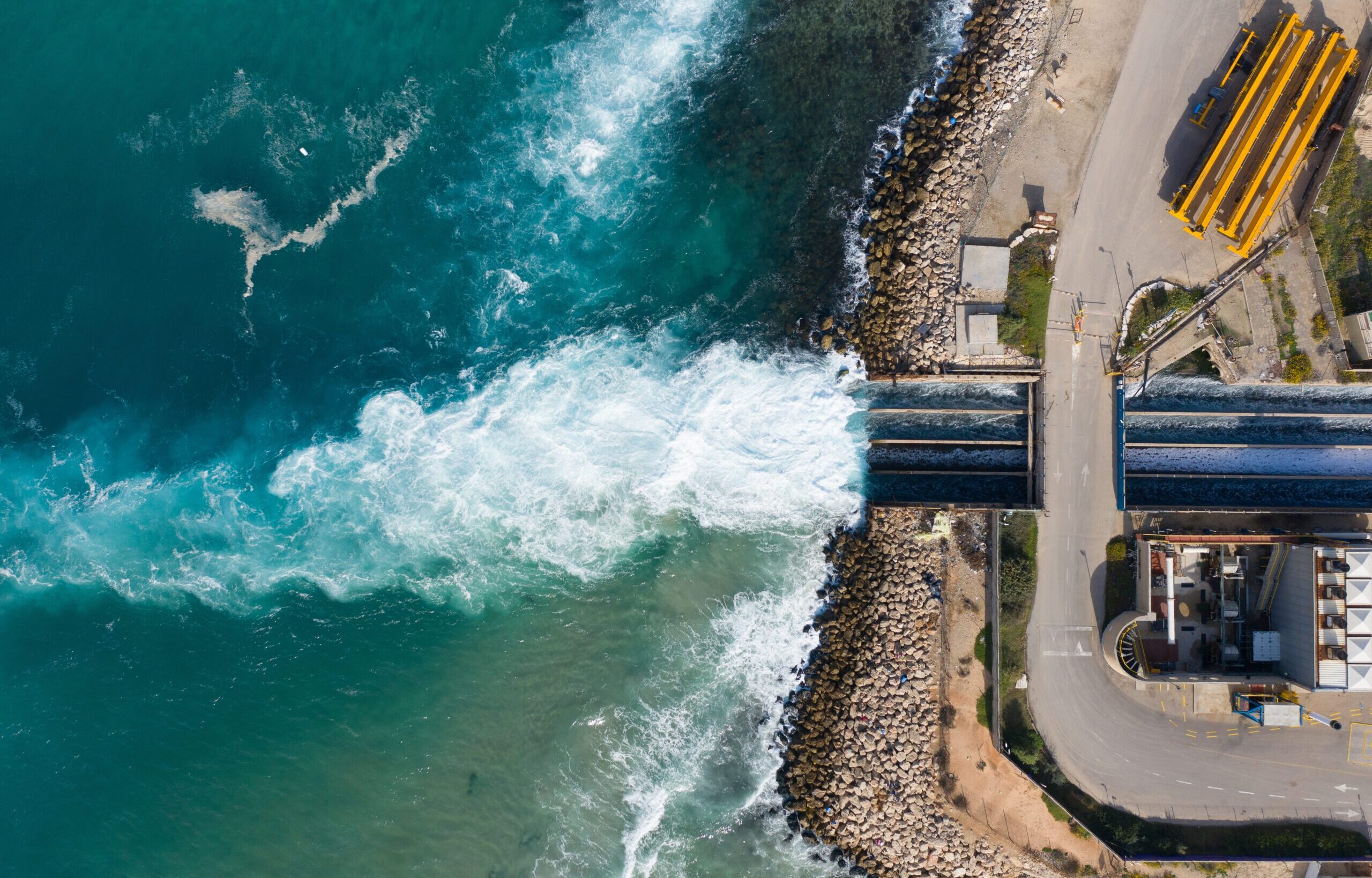
De-risking energy is a key element of geopolitical focus in our moment. This is especially true now, as energy security, diversifying supply routes, protecting shipping lanes, and insulating economies from disruption in the Strait of Hormuz are clear priorities.
Yet perhaps water deserves the same sort of concentrated attention. The Gulf’s water systems may be even more strategically vulnerable, while receiving only a fraction of the focus given to energy.
-
Ofir Drori on how EAGLE Confronts the Criminal Networks Driving Africa’s Wildlife Crisis
›
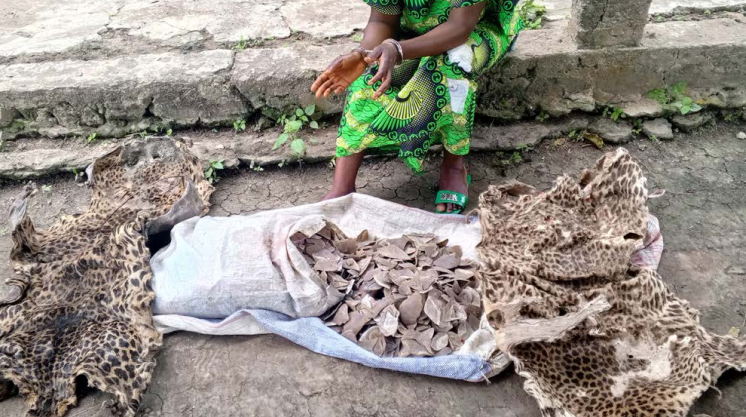
Wildlife trafficking is one of the most lucrative and destructive criminal enterprises in the world. Valued at more than $20 billion annually, these criminal networks impact more than 4,000 plant and animal species across 162 countries and territories. Yet for decades enforcement efforts focused narrowly on poachers, missing the broader criminal foundation that makes the trade resilient: the corrupt officials, armed non-state actors, and agile transnational networks.
-
Environmental Security Weekly Watch: April 20-24, 2026
›A window into what we’re reading in the Stimson Center’s Environmental Security Program
The Bolivian Cacao Farmers Taking on the Gold-Mining Industry (The Guardian)
Cacao farmers in Bolivia’s Alto Beni and Palos Blancos municipalities successfully pushed for local mining bans in 2021, protecting their organic agroforestry land from the destructive gold rush sweeping the region. Gold prices are up over 64% since 2020—intensifying illegal and legal mining across Bolivia, driving deforestation, mercury poisoning, flooding, and encroachment into protected national parks. Communities near active mining zones report polluted rivers, declining fish populations, and mercury-related illnesses.
-
Chagos and the Militarization of the Indian Ocean
›This article was originally published on South Asian Voices, a publication of the Stimson Center.
“Do not give away Diego Garcia,” warned U.S. President Donald Trump on February 19, as the United Kingdom moved forward with plans to transfer sovereignty of the Chagos Archipelago to Mauritius. While the Chagos Archipelago has often been viewed through the prism of the sovereignty dispute between the United Kingdom and Mauritius, the islands today serve as a fulcrum for regional rivalries and great-power competition.
-
Environmental Security Weekly Watch: November 10-14, 2025
›A window into what we’re reading at the Stimson Center’s Environmental Security Program
Rising Food Insecurity is Driving Instability (Foreign Affairs)
Since 2020, the number of people facing acute hunger and chronic food insecurity has increased 130% above existing levels. And supply is not the issue. At present, the world produces enough food to feed nearly 10 billion people, yet there are 720 million people who are food insecure and a further 319 million face acute hunger. Today’s hunger is driven instead by barriers to access.
-
The Global Energy Transition Is About Securing the Future, Not Managing Decline
›November 5, 2025 // By Lauren Herzer RisiThe global energy transition is often framed as a balancing act between climate commitments on one hand, and sufficient energy and economic security on the other. That framing assumes the transition will mean less: less energy, less growth, and a steady decline in fossil fuel use. But this rhetoric is, as Ambassador Anthony Agotha put it at last month’s Berlin Climate Security Conference a “false choice.”
-
China’s Belt and Road in Pakistan: What CPEC Leaves Behind
›Launched in 2013, China’s Belt and Road Initiative (BRI) has drawn wide global attention, with scholars and policymakers examining its geopolitical and economic implications. Much less explored, however, are the subnational impacts of BRI in participating countries. The China Pakistan Economic Corridor (CPEC), adopted as Pakistan’s flagship BRI project in 2015, offers a case in point.
-
Environmental Security Weekly Watch: August 11-15, 2025
›A window into what we’re reading at the Stimson Center’s Environmental Security Program
The Mining Town Funding Congo’s Rebels and Tech Giants (Reuters)
In April 2024, the M23 rebel group seized control of Rubaya, a mining town that produces 15% of the world’s coltan—a critical mineral worth used in mobile phones, computers, and aerospace components. Rebels imposed a parallel administration in the town, and placed a 15% tax on mineral traders that generates $800,000 monthly from levies. Thousands of impoverished miners in the town, however, still work 12-hour shifts in dangerous conditions earning just $5.15 per day.
Showing posts from category security.