-
Reducing Nitrogen Losses to Protect Food and Environmental Security
›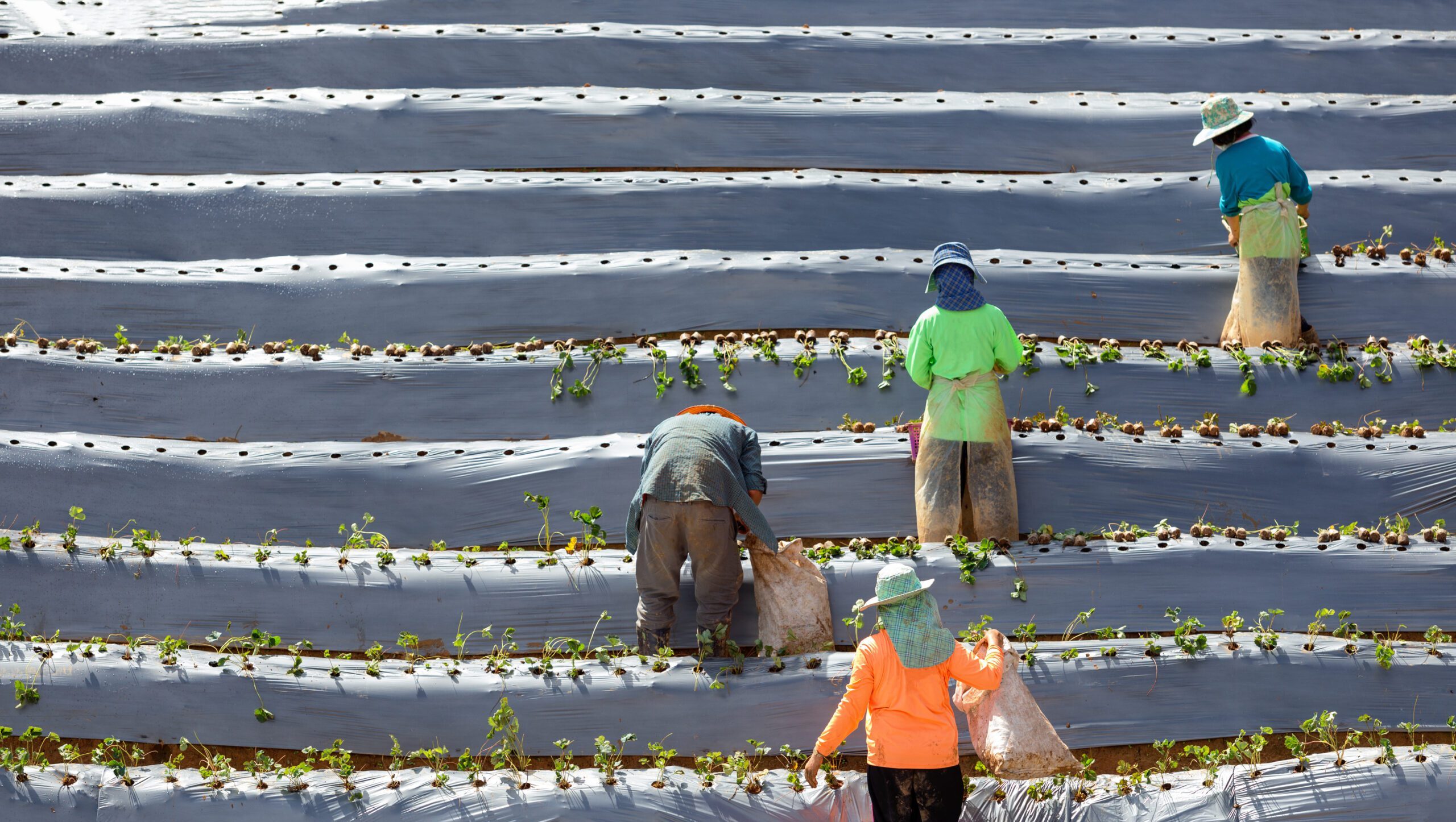
The ongoing conflict between the United States, Israel, and Iran imposes significant costs beyond the immense loss of life and destruction of vital infrastructure throughout the region. It also exacerbates the challenges posed by synthetic fertilizers, which play an essential but problematic role in feeding the planet.
-
Environmental Security Weekly Watch: May 4-8, 2026
›
A window into what we’re reading at the Stimson Center’s Environmental Security Program
Mexico City’s Rapid Land Subsidence is Visible from Space (CNN)
The foundation of much of Mexico City sits atop an ancient aquifer supplying over 60% the drinking water for the capital’s 22 million residents. Now a series of startling new images from space have revealed just how over-extraction of the aquifer and the added weight of urban development land in Mexico City to subside.
-
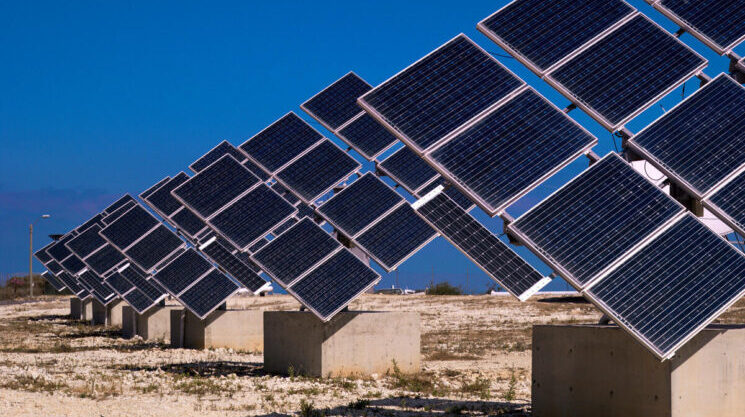
Powering Peace: Can Renewable Energy Help End Africa’s Conflicts?
›When armed groups began threatening a community in the Democratic Republic of Congo (DRC) that had recently gained access to solar-powered electricity, something unexpected happened. Rather than flee, residents rushed to protect their mini-grid. They put themselves at risk to keep the lights on.
-
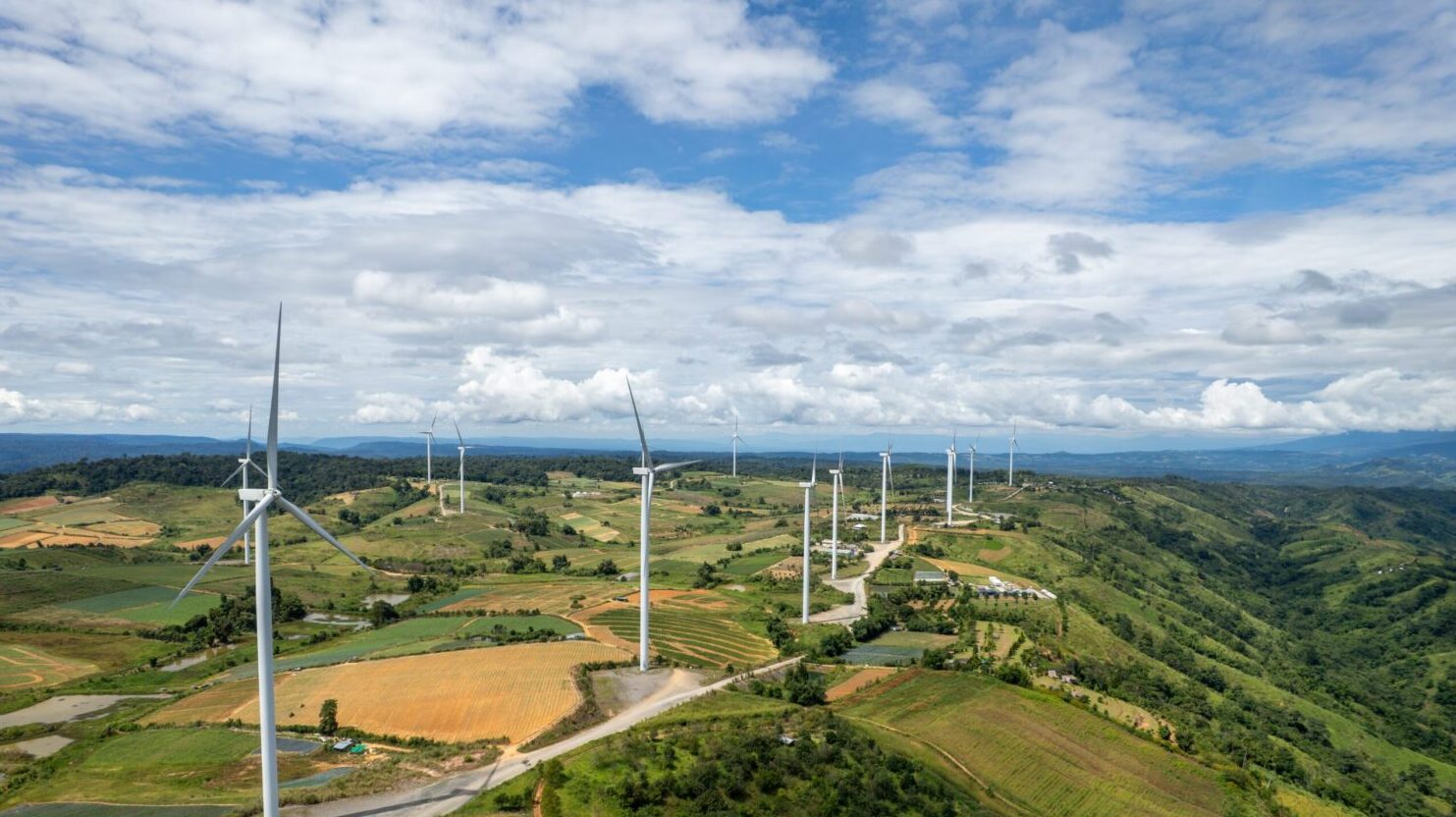
A New Oil Crisis Stress-Tests the Global Energy Transition
›The US–Israeli war launched against Iran in 2026 may be remembered as the moment fossil-fuel dependence became more than a mere abstraction for the Global South. Brent crude quickly surged past $100 a barrel. Iran militarized the Strait of Hormuz (through which 20 million barrels a day, or a fifth of global oil consumption, normally flow) and retaliated against regional energy infrastructure. Qatar declared force majeure on its liquefied natural gas exports after Iranian drone attacks. Saudi Aramco’s Ras Tanura refinery shut down.
-
Environmental Security Weekly Watch: April 13-17, 2026
›A window into what we’re reading at the Stimson Center’s Environmental Security Program
Green Corridor Addresses Conflict Economies in Virunga National Park (Mongabay)
In the Eastern Congo, Virunga National Park faces an intertwined crisis of conflict and environmental destruction rooted in economic desperation. Communities residing within the park rely on charcoal production and forest clearing for survival. Simultaneously, armed militias exploit these same resources to finance ongoing violence. In response, Virunga administrators have developed an integrated model using renewable energy as the foundation for an alternative economy.
-
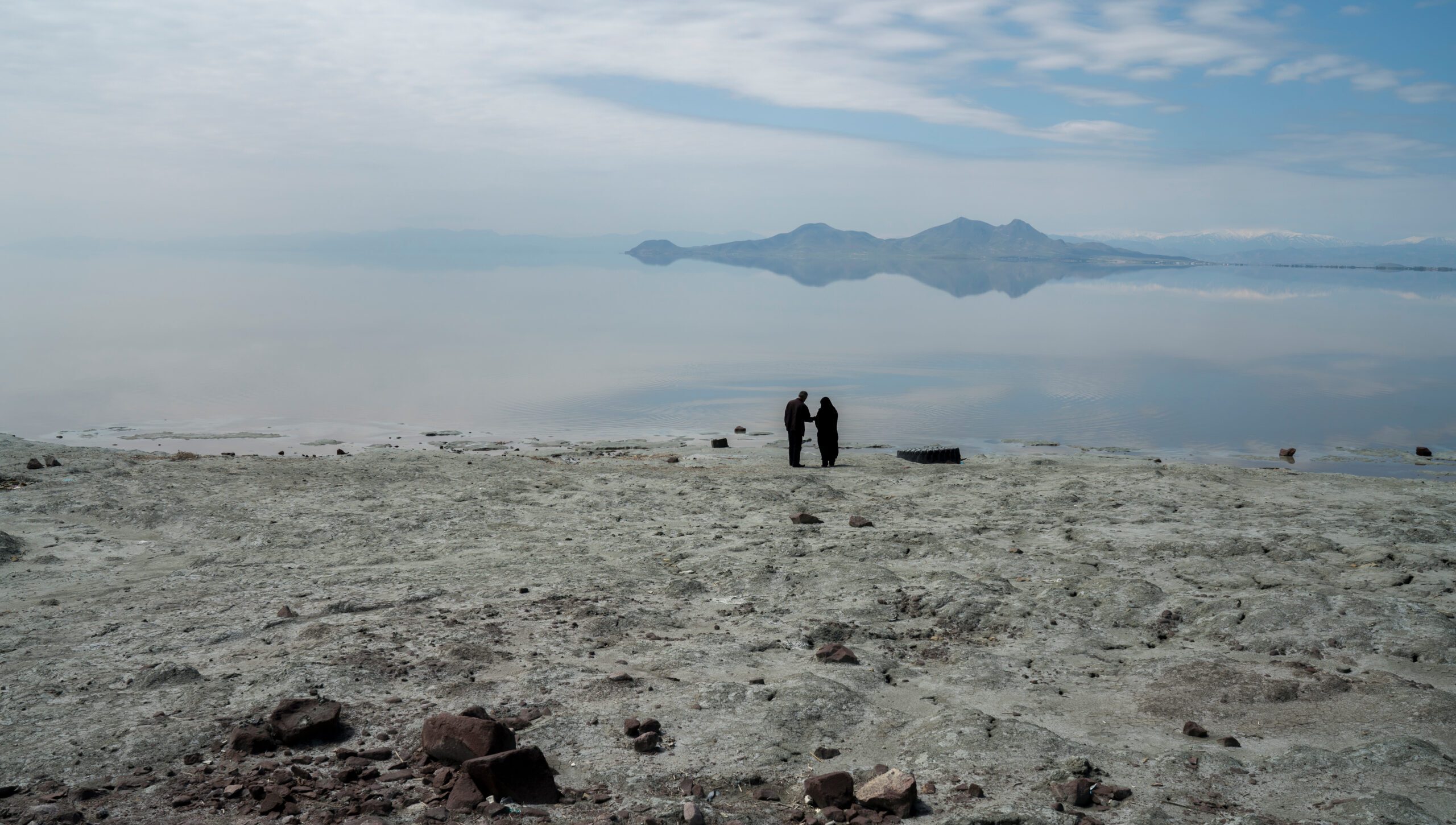
Complicating Long-Term Stability: Water Security and the Iran War
›In the summer of 2025, Tehran almost reached “Day Zero” – a designation for the moment when the city’s municipal water supply was no longer able to meet basic demand through normal distribution systems. Indeed, Iranian President Masoud Pezeshkian has repeatedly warned that the capital may need to be relocated due to the worsening water crisis.
-
Environmental Security Weekly Watch: March 23-27, 2026
›A window into what we’re reading at the Stimson Center’s Environmental Security Program
Energy Fallout from Iran War Signals a Global Wake-Up Call for Renewable Energy (Associated Press)
Fighting in Iran has effectively halted oil exports through the Strait of Hormuz — a chokepoint carrying roughly a fifth of the world’s oil and LNG — triggering an energy shock that is exposing the deep vulnerabilities of fossil fuel-dependent economies. Asia has been hit hardest, while Europe and Africa face mounting pressure from rising fuel costs and inflation. The crisis has sharpened debate over the uneven global energy transition. China’s substantial renewable buildout has provided meaningful insulation from the shock, while countries like Japan and India — which prioritized fossil fuel diversification after past crises — find themselves more exposed. Vietnam’s solar capacity is saving hundreds of millions in projected import costs. Meanwhile, Bangladesh has shuttered universities to conserve electricity, and India faces a cooking gas shortage. With more than 90% of new renewable projects now cost-competitive with fossil fuels, experts argue the strategic case for domestic clean energy has never been clearer.
-
Environmental Security Weekly Watch: March 9-13, 2026
›A window into what we’re reading at the Stimson Center’s Environmental Security Program
As Gulf Conflict Widens, So Does Its Environmental Footprint (Dialogue Earth)
The Conflict and Environment Observatory identified at least 120 incidents of environmental harm across 11 countries since the start of U.S. and Israelis began attacks on Iran, as both sides have made oil infrastructure, military facilities, and strategic sites primary targets. The burgeoning conflict poses nuclear, chemical, and long-term carbon risks, as strikes on refineries, tankers, and storage sites degrade air quality, contaminate water contamination, and harm marine ecosystems. And other serious catastrophes loom as the war develops. The IAEA warns that any radioactive release from strikes that target nuclear sites could require evacuating areas the size of major cities.
Showing posts from category conflict.