-
When Climate Extremes Don’t Lead to Conflict: Evidence from the Pacific Islands
›
The article was adapted from “Local Resilience Can Mitigate Climate Conflicts in the Pacific,” published by Global Outlook.
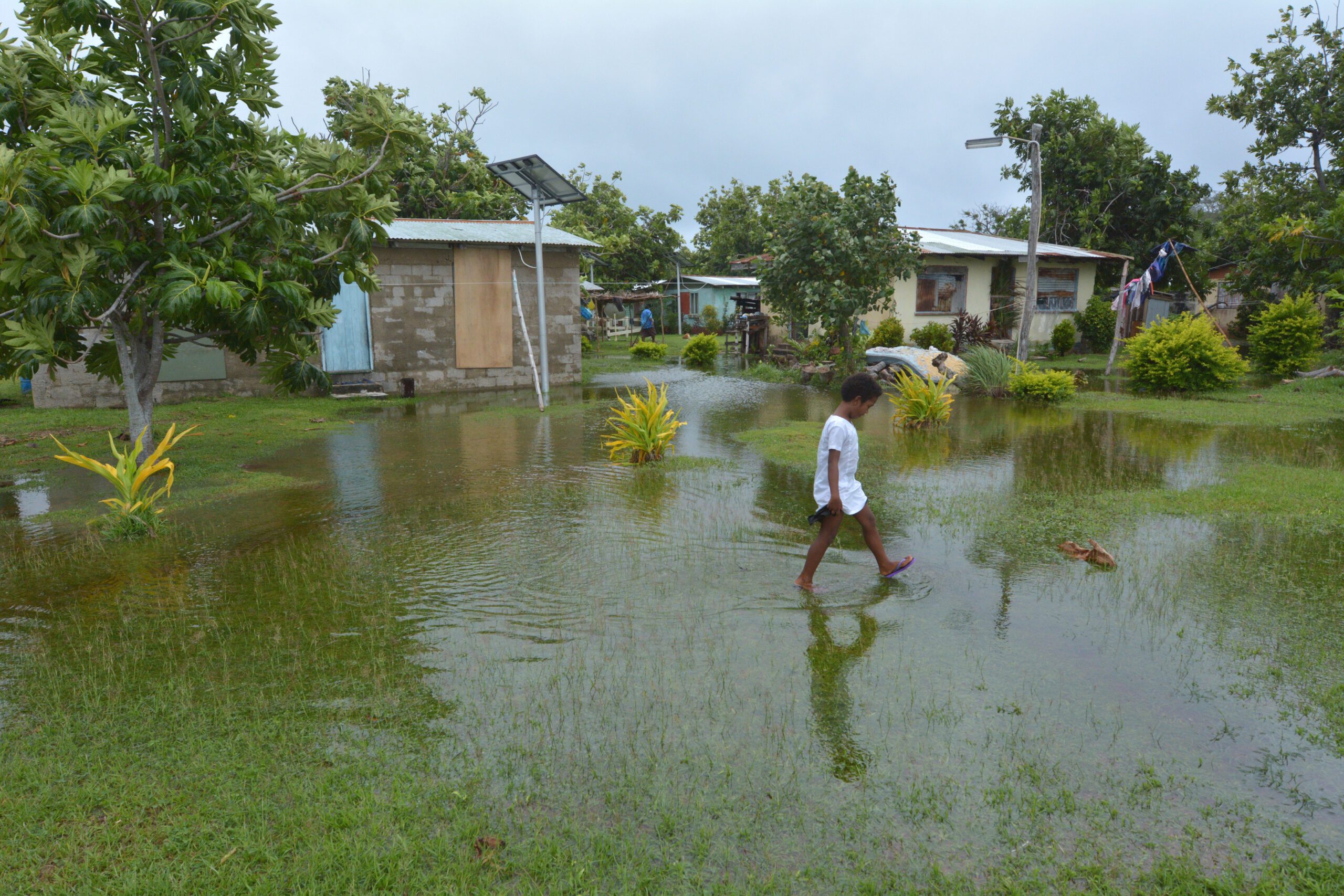
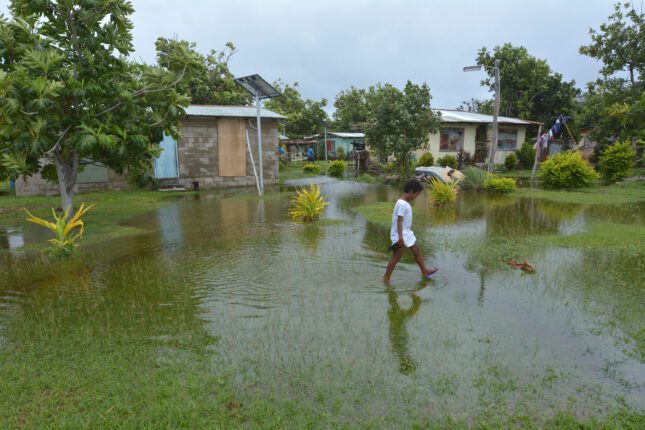
Pacific Island countries sit at the frontline of climate change. Many consist of small, low-lying islands, with long coastlines and vast ocean spaces between them. Livelihoods often depend on agriculture and fishing, and importing water or food is often infeasible or expensive. This makes those large ocean nations highly vulnerable to the impacts of climate change, such as storms, droughts, and rising sea levels.
-
Lessons from the Niger Delta: What Awaits U.S. Oil Companies in Venezuela?
›
When the executive branch of the United States government authorized the capture of Venezuelan President Nicolás Maduro in early January, it was the latest turn in a series of escalating events between the two nations. The Venezuelan President’s capture drew the ire of both the international community and some members of Congress because of its impact on national sovereignty and the future of the rules-based international order.
-
Environmental Security Weekly Watch: February 2-6, 2026
›A window into what we’re reading at the Stimson Center’s Environmental Security Program
Final Version of Global Critical Minerals Treaty Stripped of Traceability Measures (Mongabay)
At the seventh U.N. Environment Assembly in December 2025, Colombia and Oman jointly proposed a legally binding international treaty to create traceability and due diligence mechanisms across global mineral supply chains. Their proposal faced resistance from multiple countries including Saudi Arabia, Russia, Iran, Chile, and Uganda, and ultimately resulted in a watered-down nonbinding resolution on mineral governance that excluded traceability provisions entirely.
-
Can Climate Security Survive the Crisis of Multilateralism?
›Multilateralism is under threat, as many global powers increasingly choose to center their security priorities around defense and economic competition over international cooperation. This shift toward short-term national interests risks undermining progress on joint challenges, including climate change, peace and justice. What will be lost if the climate security agenda becomes a battlefield of competing interests? How can peacebuilding and development actors respond?
-
Water Cooperation is Under Threat
›Rivers, lakes, and aquifers ignore borders and politics, binding countries, people, and ecosystems together. This shared reality has long required cooperation, even among states divided by tensions or conflict. Through technical dialogue, data sharing, and joint institutions, countries have often quietly managed floods, negotiated infrastructure, and protected water quality.
-
Environmental Security Weekly Watch: December 1-5, 2025
›A window into what we’re reading at the Stimson Center’s Environmental Security Program
Deforestation and Flooding Turns Fallen Timber into Projectiles in Indonesia (The New York Times)
When Cyclone Senyar struck in late November, its death toll numbered 800 people across Indonesia, Malaysia, and Thailand. The Indonesian island of Sumatra saw a particular sort of damage as the storm unleashed sixteen inches of rain in parts of the island, wiped out four villages, and triggered flash floods and landslides. Decades of razing and converting natural forests into palm oil plantations, pulpwood farms, and gold mines drastically increased the region’s vulnerability to floods and landslides to the point that timber was transformed into projectiles that destroyed residences and infrastructure.
-
Environmental Security Weekly Watch: November 10-14, 2025
›A window into what we’re reading at the Stimson Center’s Environmental Security Program
Rising Food Insecurity is Driving Instability (Foreign Affairs)
Since 2020, the number of people facing acute hunger and chronic food insecurity has increased 130% above existing levels. And supply is not the issue. At present, the world produces enough food to feed nearly 10 billion people, yet there are 720 million people who are food insecure and a further 319 million face acute hunger. Today’s hunger is driven instead by barriers to access.
-
No Peace at COP30? Why That’s a Risk the World Can’t Afford
›November 10, 2025 // By Nazanine MoshiriAs COP30 in Belém nears, leaders are calling it the “implementation summit.” Trillions of dollars in climate funding are at stake in Brazil in mid-November. Every sector, from forests to AI, has dedicated Thematic Days. However, one critical issue is noticeably missing from the official agenda: peace.
Showing posts from category environmental security.