-
Syria’s Environmental Woes Fueled Its Long Conflict. Left Unaddressed, They Will Do So Again.
›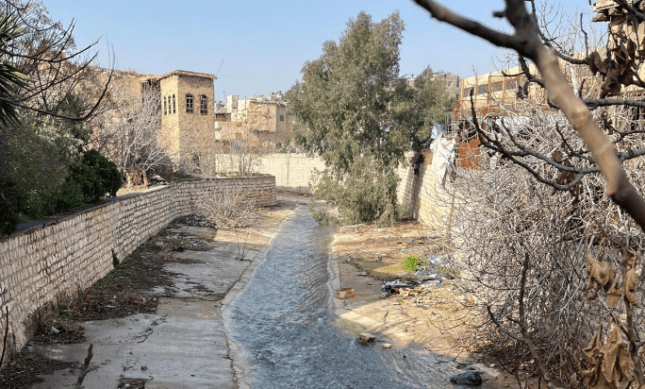
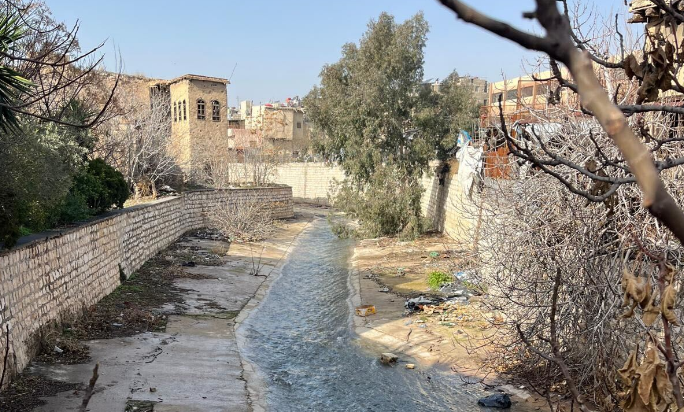
I recently returned to Syria for my first peacetime visit. Unsurprisingly, the country is an awful mess. The destruction is somehow slightly more conspicuous than it seemed through a number of trips between 2014 and 2022. People’s exhaustion is palpable, and the economic situation is every bit as bad for many now as it was during the war. A formidable—and thus far entirely unanswered—environmental question also looms: how on Earth is the country’s landscape to be salvaged?
-
Environmental Security Weekly Watch: February 16-20, 2026
›
A window into what we’re reading at the Stimson Center’s Environmental Security Program
Rapid Central Asia Glacial Melt Threatens Water Security (The Diplomat)
A recent study projects that the Tian Shan mountains, the primary freshwater source for millions across Central Asia and China’s Xinjiang region, will lose approximately one-third of their glacier area before 2040. Already, the region has seen a 27% drop in glacial mass and an 18% drop in areas over the last 50 years. The Tian Shan’s smaller glaciers respond more rapidly to warming temperatures, as rising temperatures reduce the snowfall that historically replenishes glacial mass. These glacial and meteorological conditions create a compounding effect that makes the Tian Shan more vulnerable than the larger, slower-responding glaciers of the Karakoram, Pamir, and Himalaya ranges.
-
When Climate Extremes Don’t Lead to Conflict: Evidence from the Pacific Islands
›The article was adapted from “Local Resilience Can Mitigate Climate Conflicts in the Pacific,” published by Global Outlook.
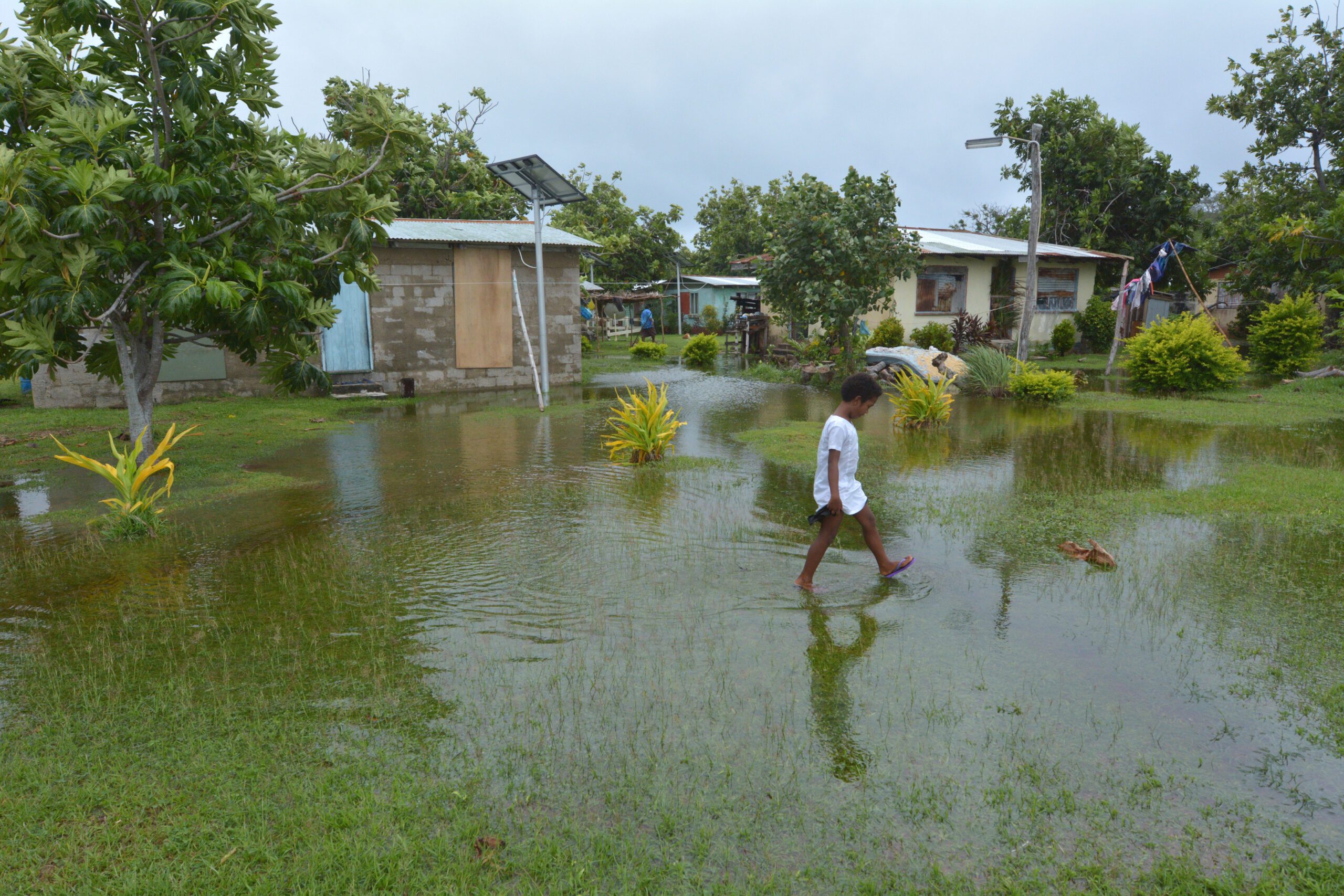
Pacific Island countries sit at the frontline of climate change. Many consist of small, low-lying islands, with long coastlines and vast ocean spaces between them. Livelihoods often depend on agriculture and fishing, and importing water or food is often infeasible or expensive. This makes those large ocean nations highly vulnerable to the impacts of climate change, such as storms, droughts, and rising sea levels.
-
Lessons from the Niger Delta: What Awaits U.S. Oil Companies in Venezuela?
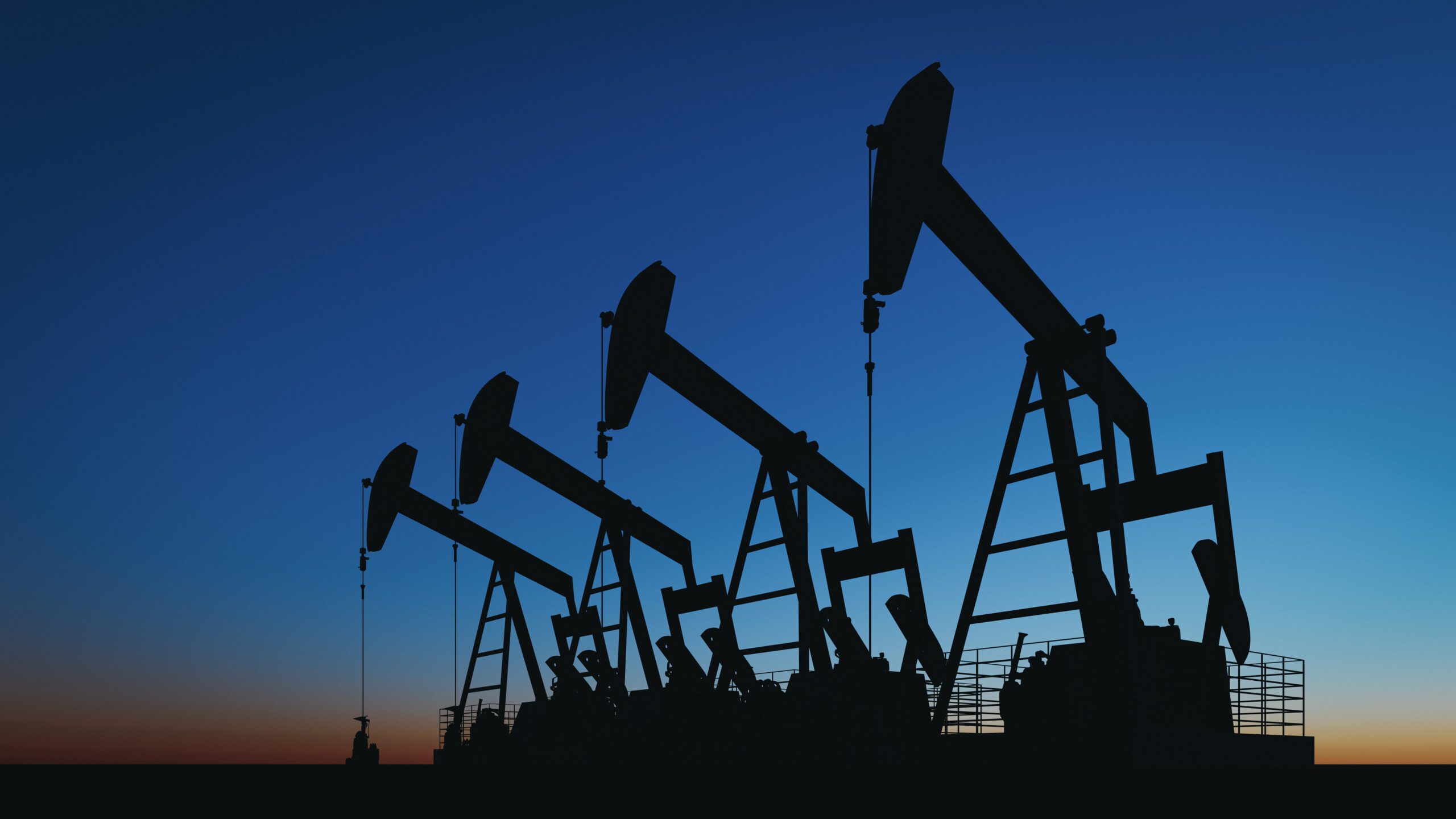
›When the executive branch of the United States government authorized the capture of Venezuelan President Nicolás Maduro in early January, it was the latest turn in a series of escalating events between the two nations. The Venezuelan President’s capture drew the ire of both the international community and some members of Congress because of its impact on national sovereignty and the future of the rules-based international order.
-
Environmental Security Weekly Watch: February 2-6, 2026
›A window into what we’re reading at the Stimson Center’s Environmental Security Program
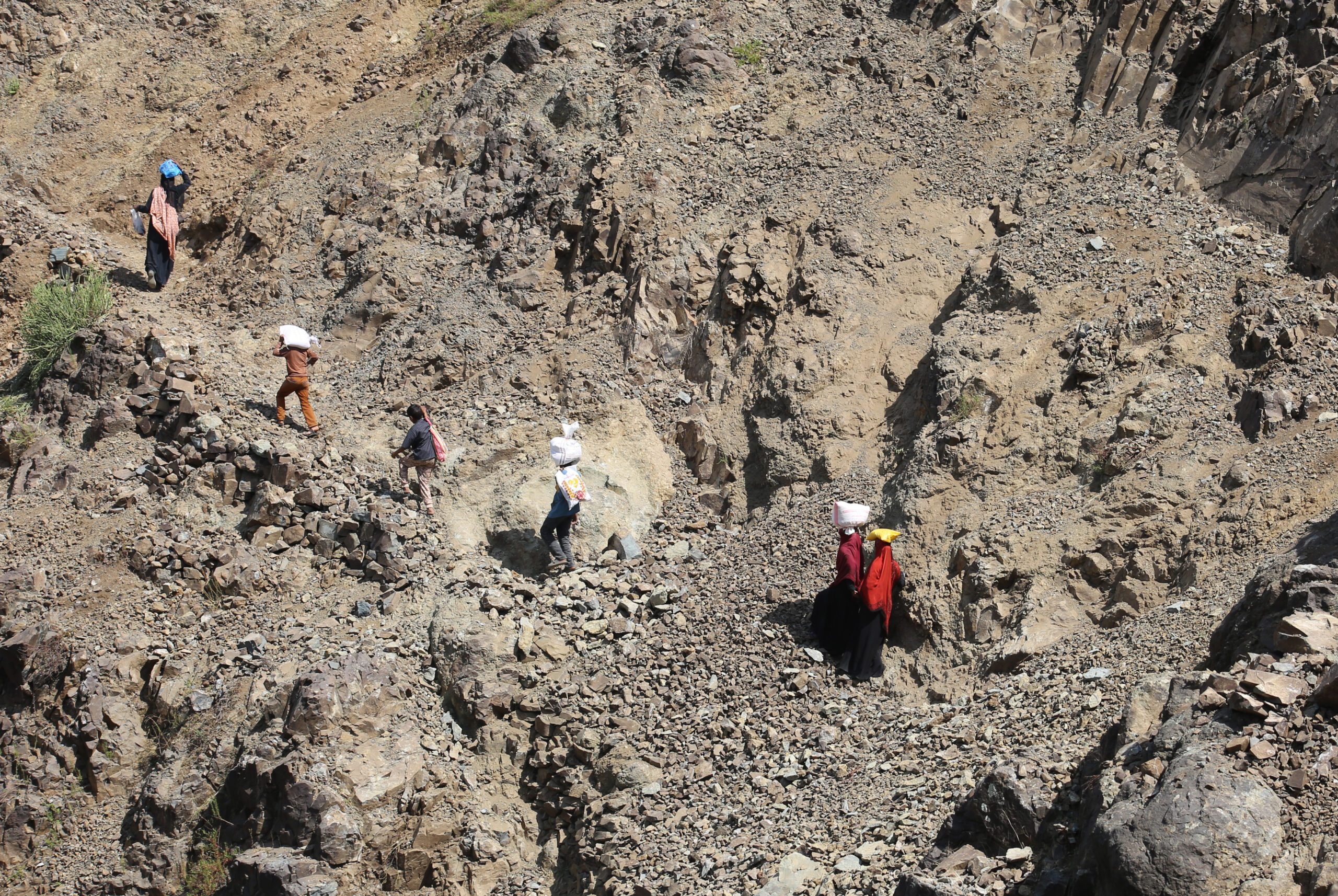
Final Version of Global Critical Minerals Treaty Stripped of Traceability Measures (Mongabay)
At the seventh U.N. Environment Assembly in December 2025, Colombia and Oman jointly proposed a legally binding international treaty to create traceability and due diligence mechanisms across global mineral supply chains. Their proposal faced resistance from multiple countries including Saudi Arabia, Russia, Iran, Chile, and Uganda, and ultimately resulted in a watered-down nonbinding resolution on mineral governance that excluded traceability provisions entirely.
-
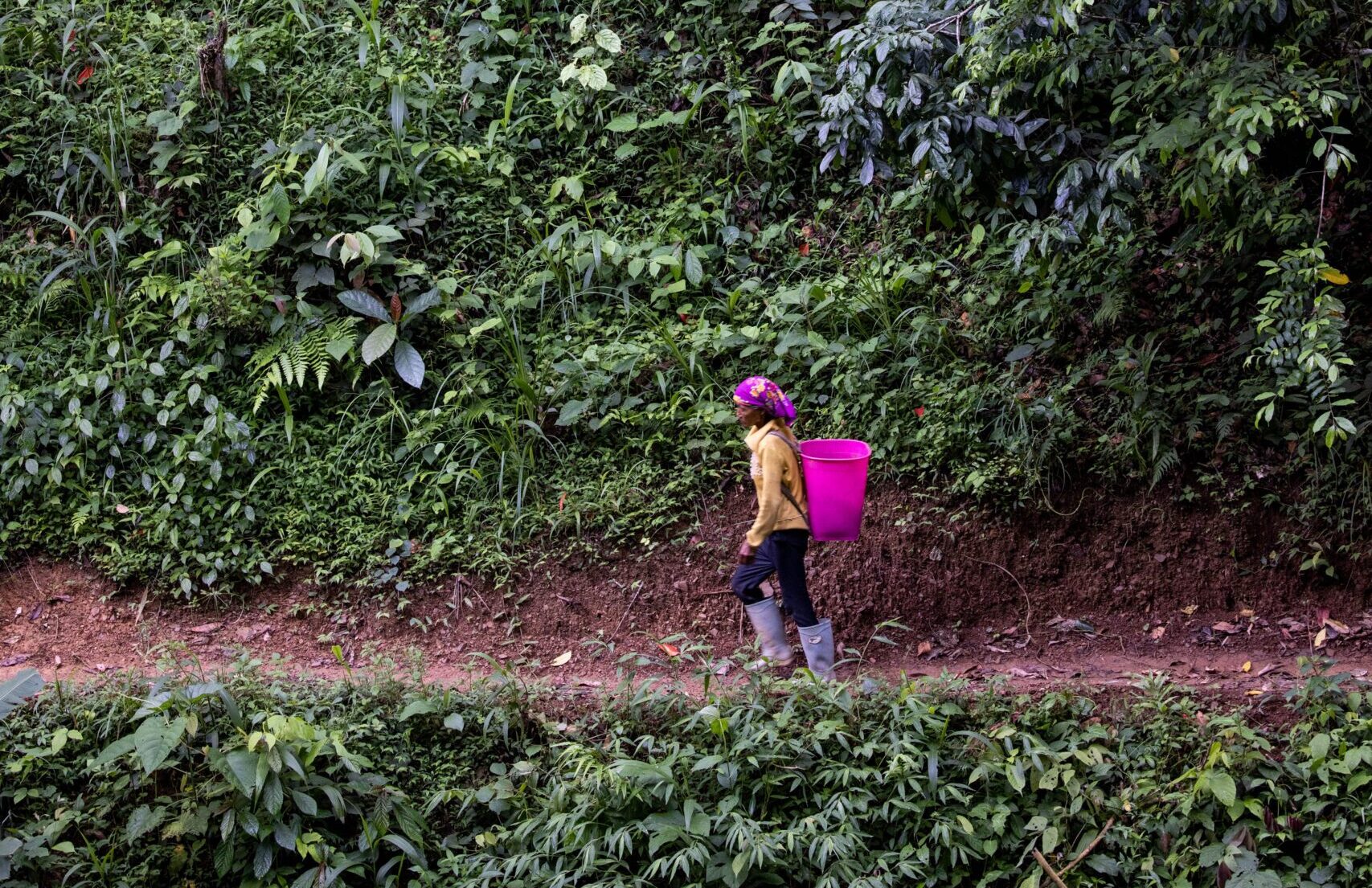
From the Forests of Yunnan: Rethinking What Tea Can Be
›“Where is the tea?” I asked after our class had hiked through densely wooded hills for half an hour, looking around in confusion. I was among a team of Duke Kunshan University (DKU) graduate students led by Dr. Binbin Li to study tea crops grown in the tropical forests of Xishuangbanna, Yunnan Province.
-
Can Climate Security Survive the Crisis of Multilateralism?
›Multilateralism is under threat, as many global powers increasingly choose to center their security priorities around defense and economic competition over international cooperation. This shift toward short-term national interests risks undermining progress on joint challenges, including climate change, peace and justice. What will be lost if the climate security agenda becomes a battlefield of competing interests? How can peacebuilding and development actors respond?
-
Environmental Security Weekly Watch: January 26-30, 2026
›A window into what we’re reading at the Stimson Center’s Environmental Security Program
High Seas Treaty Takes Effect as Global Ocean Protection Framework (Associated Press)
The High Seas Treaty is the world’s first legally binding agreement to protect marine life in international waters, and its broad impacts began when it entered into force on January 17, 2026. The treaty governs the nearly half the planet’s surface comprised of vast ocean areas beyond any individual country’s exclusive economic zone—an area which faces threats from destructive fishing, shipping, plastic pollution, overfishing, and potential deep sea mining.
Showing posts from category *Main.