-
Environmental Security Weekly Watch: June 1-5, 2026
›
A window into what we’re reading at the Stimson Center’s Environmental Security Program
As Trump Administration Defunds Ocean Monitoring, the E.U. Fills Gaps (The New York Times)
The Trump Administration’s decision to dismantle the National Science Foundation (NSF)’s decade-long $368 million deep-ocean observation system has led the European Union to bolster its own monitoring of the seas. The now-shuttered NSF program had kept tabs on marine ecosystems and measured the effects of climate change since 2016. NSF spokesman Michael England observed that the move “aligns with NSF’s wider strategy to have a nimbler approach to prioritizing support for evolving scientific priorities and emerging technologies.”
-
Treat Water as an Essential Strategic Resource in the Middle East
›
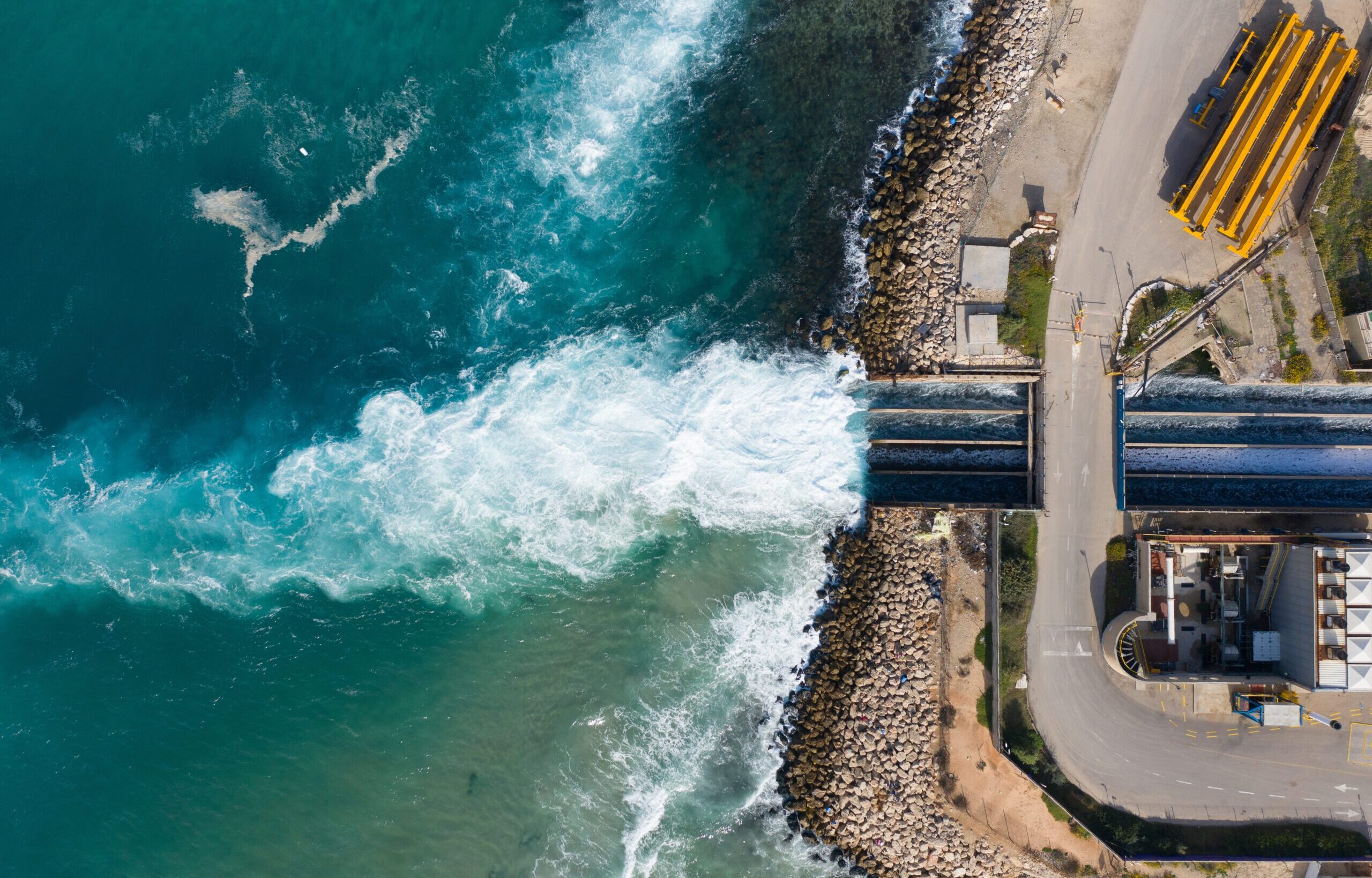
De-risking energy is a key element of geopolitical focus in our moment. This is especially true now, as energy security, diversifying supply routes, protecting shipping lanes, and insulating economies from disruption in the Strait of Hormuz are clear priorities.
Yet perhaps water deserves the same sort of concentrated attention. The Gulf’s water systems may be even more strategically vulnerable, while receiving only a fraction of the focus given to energy.
-
Environmental Security Weekly Watch: May 25-29, 2026
›A window into what we’re reading at the Stimson Center’s Environmental Security Program
As the Dead Sea Recedes, Local Ecology and Economies are at Risk (CNN)
A mix of human activity and climate change impacts shrink the Dead Sea by around four feet each year. The result is that over the past five decades, its surface area has shrunk by approximately a third, creating an unappealing landscape of sinkholes and salt-encrusted shorelines. Former resorts have been closed, and freshwater has seeped into the ground to dissolve ancient layers of salt and create underground cavities that can cause erosion and sudden ground collapse. The Dead Sea’s 6,000 sinkholes now threaten business and residents with no simple solution in sight.
-
Environmental Security Weekly Watch: May 11-15, 2026
›A window into what we’re reading at the Stimson Center’s Environmental Security Program
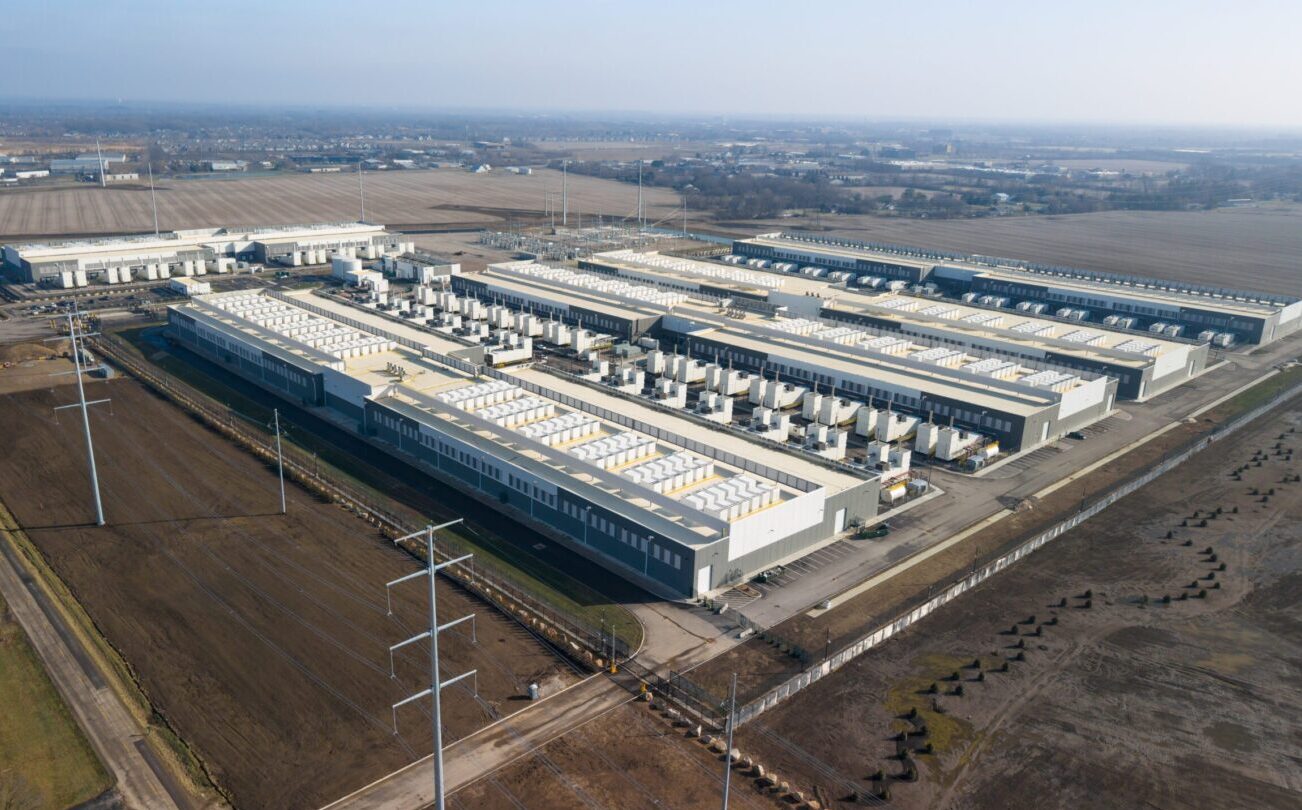
AI Energy Demand Outpaces Its Climate Solutions (Eco-Business)
A new International Energy Agency report finds that AI’s significant promise in improving energy efficiency and grid reliability may not match the energy sector’s inability to keep pace with the explosive growth of AI’s physical infrastructure.
-
AI’s Environmental Footprint is a Gendered Security Risk
›The infrastructure powering artificial intelligence (AI) has become both a political flashpoint and a signal for strategic warfare with significant military, geopolitical, and international security implications. Climate change is a “threat multiplier” that exacerbates fragility. The collision of these two forces is certain to create immediate and long-term impacts. AI’s environmental footprint risks externalizing environmental costs onto poorer countries– and the communities within them–that supply critical minerals, water resources, and host energy-intensive infrastructure, deepening ecological, economic, and social inequalities. Over the long run, it may also undermine long-term climate resilience and global stability
-
Environmental Security Weekly Watch: May 4-8, 2026
›A window into what we’re reading at the Stimson Center’s Environmental Security Program
Mexico City’s Rapid Land Subsidence is Visible from Space (CNN)
The foundation of much of Mexico City sits atop an ancient aquifer supplying over 60% the drinking water for the capital’s 22 million residents. Now a series of startling new images from space have revealed just how over-extraction of the aquifer and the added weight of urban development land in Mexico City to subside.
-
Protecting Water in the Mining Rush: A World Water Day Panel
›From Zambia to Indonesia, recent headlines about catastrophic toxic mining spills grimly underscore how the global push to secure one set of resources, critical minerals, might be compromising another: water.
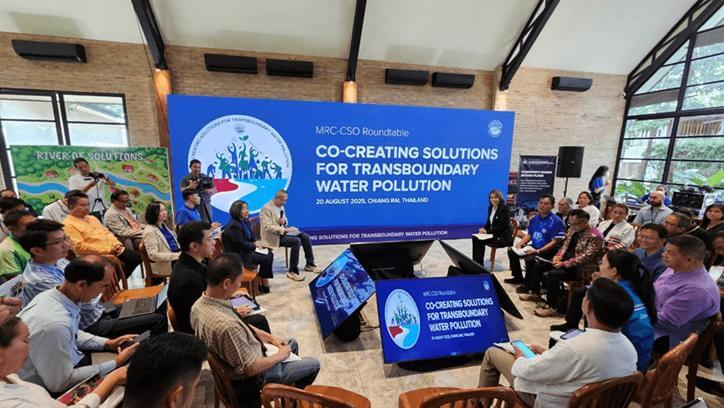
“This isn’t just an environmental story,” said Lauren Risi, Director of the Stimson Center’s Environmental Security Program, at a recent event on protecting water resources amid increasing mining, held ahead of World Water Day 2026. “For many of these communities, the water being put at risk is their source of drinking water. It’s critical to subsistence farming and livelihoods. It sits at the center of daily life. When mining degrades or disrupts access to it, the consequences are immediate and personal,” she said.
-
Environmental Security Weekly Watch: April 6-10, 2026
›A window into what we’re reading at the Stimson Center’s Environmental Security Program
Argentina’s “Glacier Law” Opens Ecologically Sensitive Areas to Mining (Al-Jazeera)
Politicians in Argentina approved a bill pushed by President Javier Milei to authorize mining in ecologically sensitive areas of the nation containing nearly 17,000 glaciers and/or rock glaciers and permafrost which heavily support the country’s water security. Dubbed the “Glacier Law,” the measure is designed to leverage the vast critical mineral reserves (such as copper and lithium) found in frozen parts of the Andes mountains.
Showing posts from category water.